
Cobots VS Compact Industrial Robots
Ul
Understanding Cobots and Compact Industrial Robots
When it comes to automating tasks in manufacturing and production, two main types of robots often come into play: collaborative robots (cobots) and compact industrial robots. Both are designed to handle payloads of up to 30kg, but they offer distinct advantages and disadvantages depending on the application.
Cobots are designed to work safely alongside humans, offering flexibility and ease of use. Compact industrial robots, on the other hand, are built for speed and precision in automated environments. Understanding the differences between these two can help businesses make informed decisions about which technology best suits their needs.
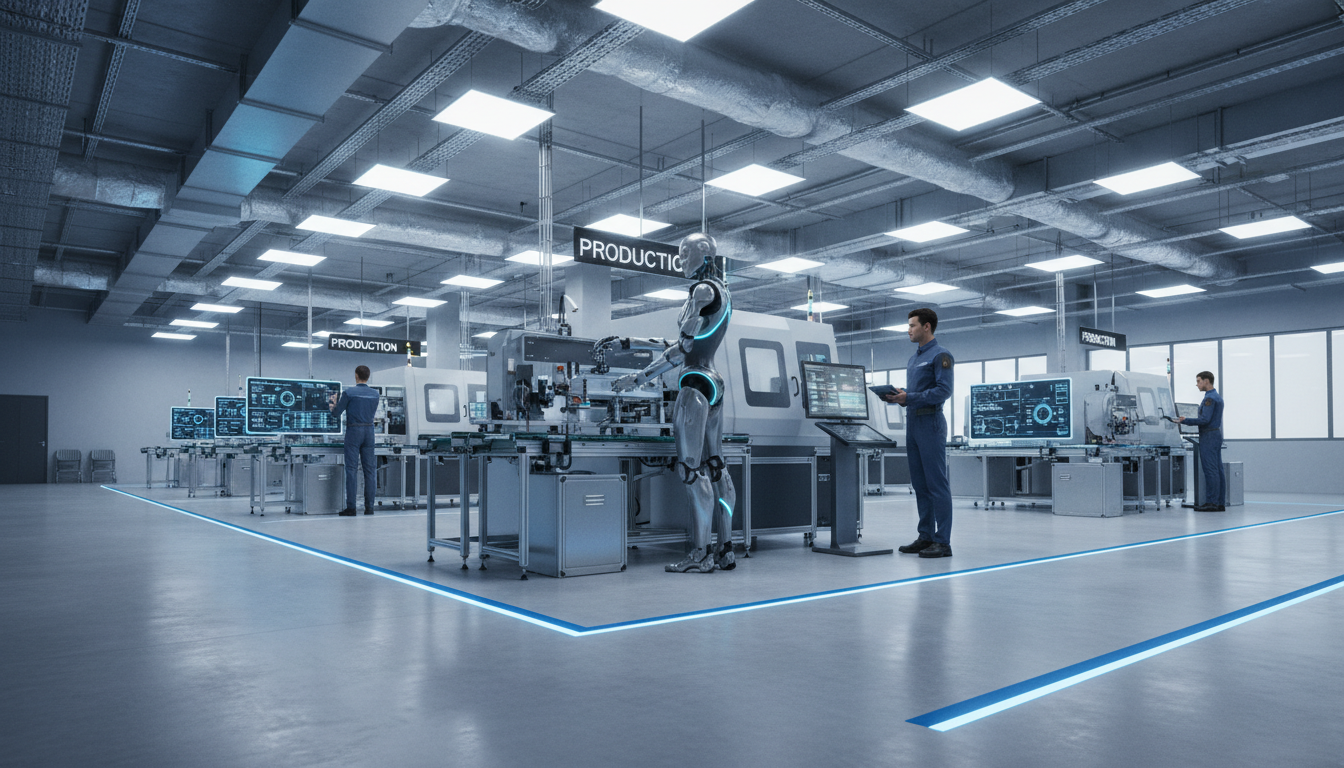
Key Features of Cobots
Cobots are known for their user-friendly interfaces and safety features. They are equipped with sensors and software that allow them to avoid collisions and work closely with human operators. This makes them ideal for tasks that require human-robot interaction.
Another advantage of cobots is their flexibility. They can be easily reprogrammed and repurposed for different tasks, making them suitable for small-batch production and varied applications. This adaptability can lead to increased productivity and cost savings over time.

Applications of Cobots
Cobots are widely used in industries such as electronics, automotive, and food production. They excel in tasks like assembly, packaging, and quality inspection. Their ability to work alongside humans allows for seamless integration into existing workflows without the need for extensive safety barriers.
Benefits of Compact Industrial Robots
Compact industrial robots are renowned for their speed and precision. They are designed to perform repetitive tasks with high accuracy, making them ideal for environments where consistency is crucial. These robots often operate in fenced-off areas due to their higher speed and power, ensuring maximum efficiency.
Despite their lack of flexibility compared to cobots, compact industrial robots can handle heavy workloads with minimal downtime. Their robust construction allows them to operate continuously under demanding conditions, making them a staple in mass production settings.
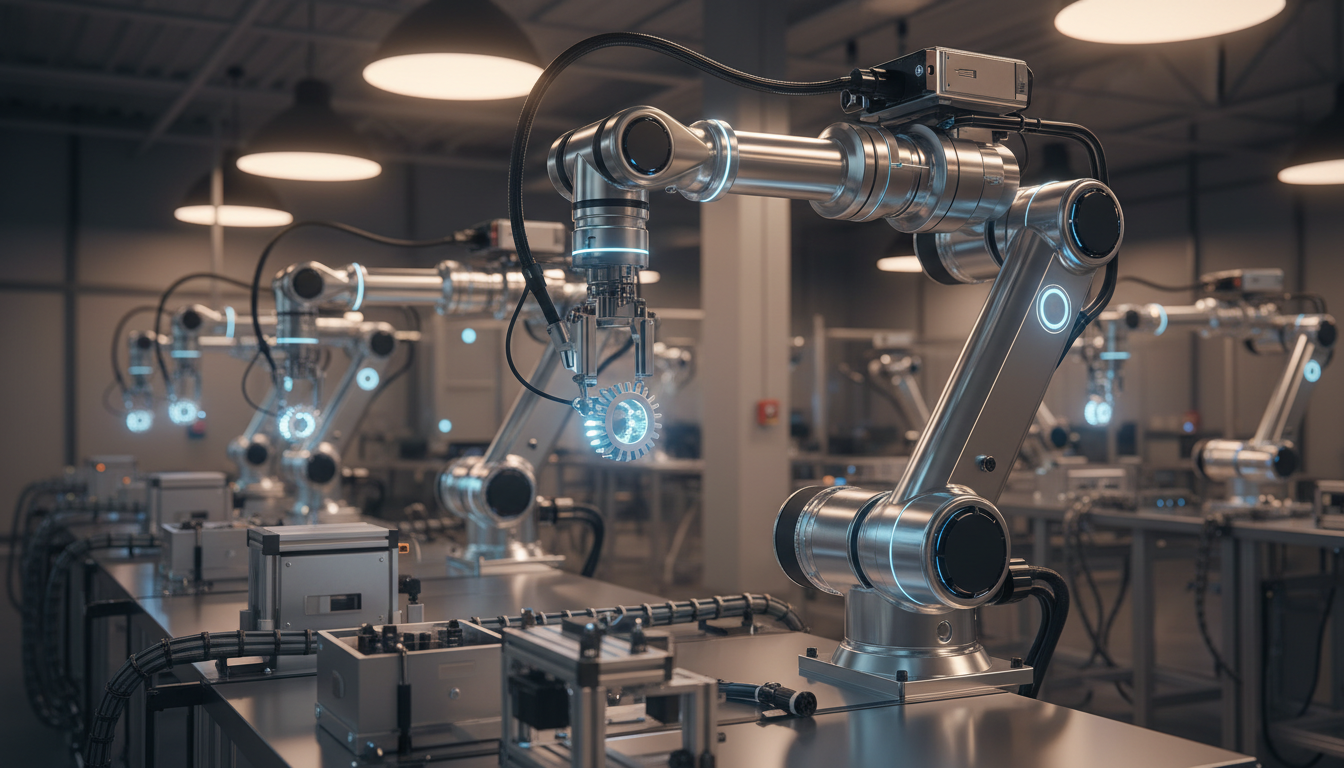
Applications of Compact Industrial Robots
These robots are commonly used in sectors like automotive manufacturing, where tasks such as welding, painting, and assembly require high levels of precision. Their ability to perform tasks quickly and accurately contributes to reducing cycle times and increasing throughput.
Choosing the Right Option
When deciding between cobots and compact industrial robots, businesses should consider factors such as the required level of human interaction, task complexity, and production volume. Cobots offer flexibility and ease of use, while compact industrial robots provide speed and precision.
Ultimately, the choice depends on the specific needs of the operation. For environments where human-robot collaboration is beneficial, cobots may be the better option. However, for high-speed, repetitive tasks, compact industrial robots are likely to be more advantageous.

Conclusion
Both cobots and compact industrial robots have their place in modern manufacturing. By carefully evaluating the strengths and limitations of each, businesses can implement the most effective solutions to enhance productivity and maintain competitiveness in a rapidly evolving industry.