
Comprehensive Guide to Machine Vision in Industrial Automation
Ul
Understanding Machine Vision
Machine vision is a critical component of modern industrial automation, enabling machines to interpret and respond to visual data. This technology uses cameras and image processing software to mimic human vision, allowing machines to analyze, inspect, and monitor products with precision. By integrating machine vision, industries can significantly enhance quality control, efficiency, and productivity.
Core Components of Machine Vision Systems
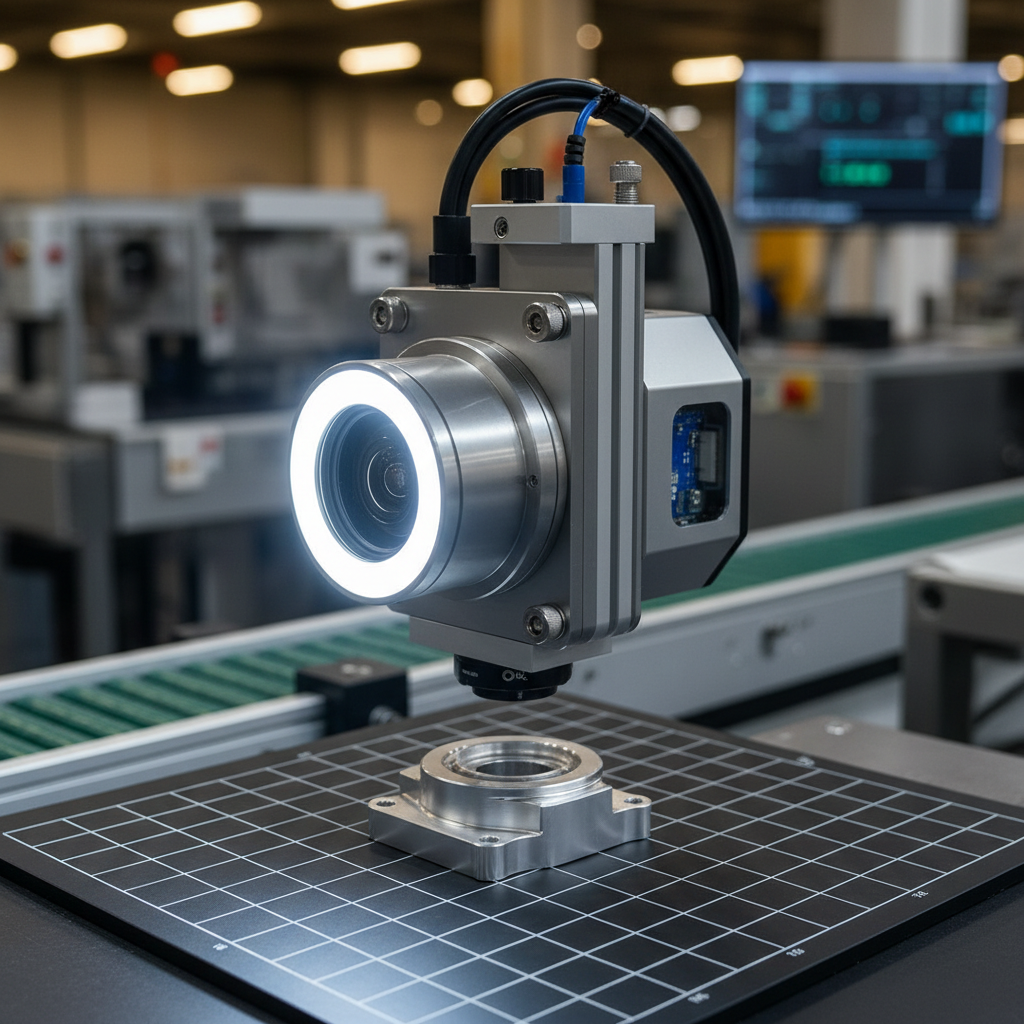
Cameras and Sensors
The foundation of any machine vision system is its camera. These cameras capture images that are then analyzed by software. Depending on the application, different types of cameras, such as area-scan or line-scan, may be used. Sensors, on the other hand, assist in capturing high-quality images by controlling lighting and focus.
Image Processing Software
Once images are captured, they are processed using sophisticated software. These programs analyze visual data to identify defects, measure dimensions, or verify assembly processes. The accuracy of machine vision systems heavily depends on the effectiveness of these algorithms.
Applications in Industrial Automation
Quality Control
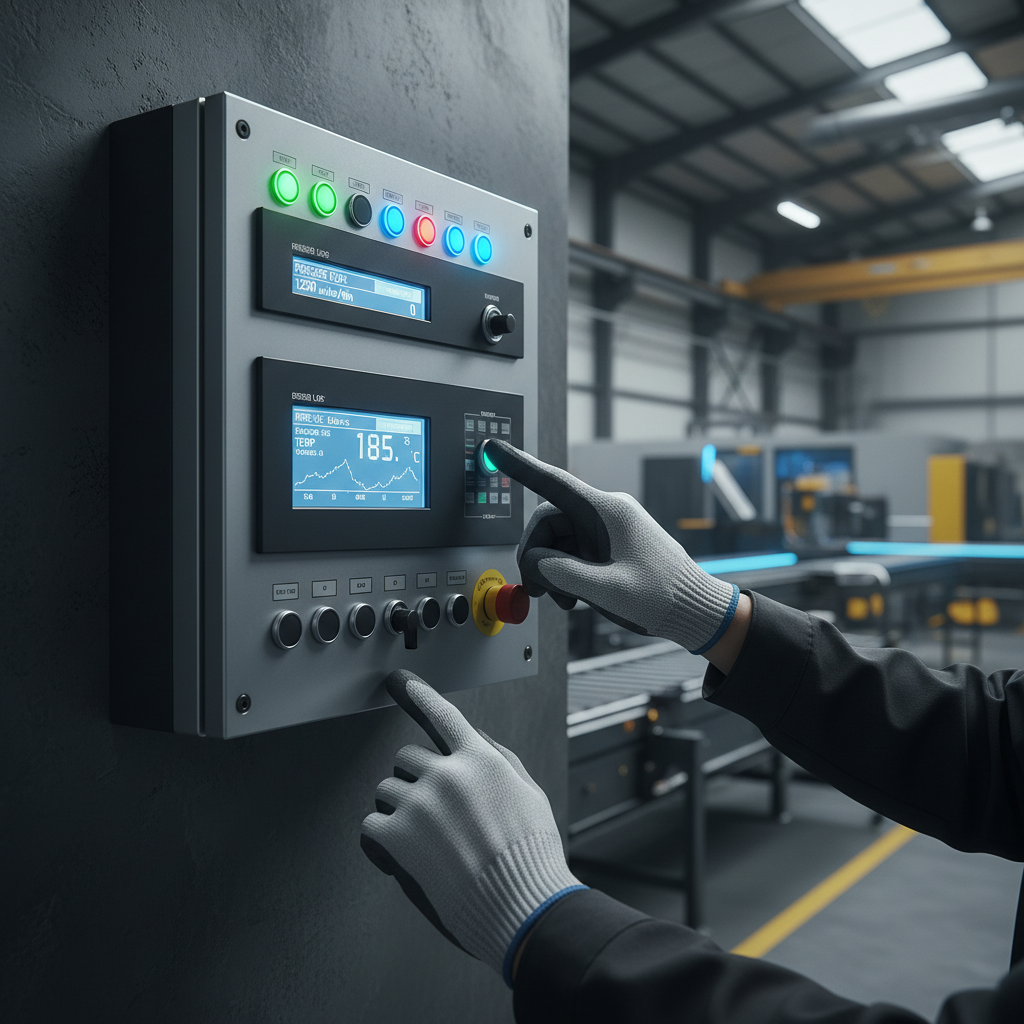
Machine vision is extensively used for quality control. By providing real-time inspection, it ensures that products meet specified standards. This reduces the likelihood of defective products reaching consumers and minimizes waste.
Guidance and Navigation
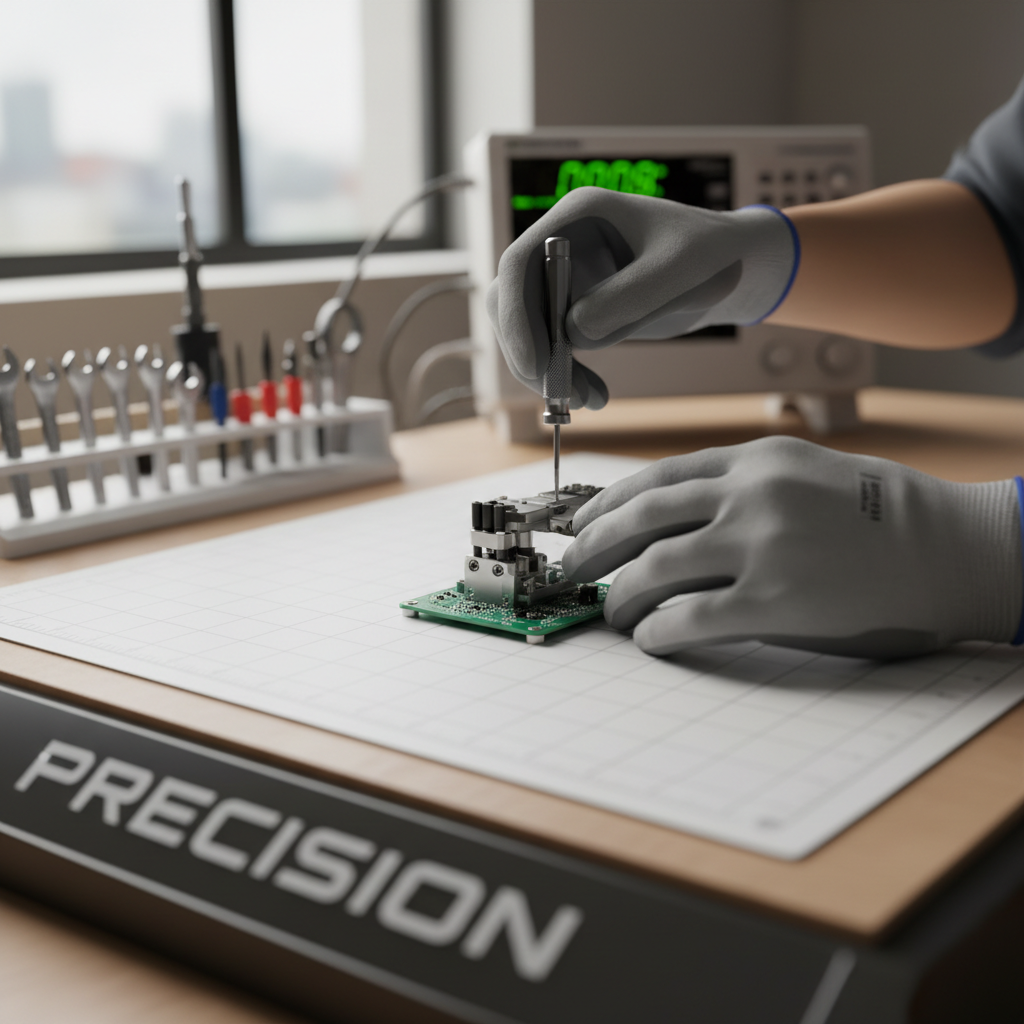
In automated environments, machines often need guidance to perform tasks accurately. Machine vision systems help in positioning components and navigating complex environments, ensuring high precision in tasks such as robotic assembly.
Benefits of Machine Vision
The implementation of machine vision in industrial automation brings numerous benefits. One of the most significant advantages is the increased efficiency in manufacturing processes. By automating visual inspections, companies can reduce labor costs and improve throughput.
Moreover, machine vision systems enhance safety by preventing accidents. They can quickly detect anomalies or potential hazards, ensuring that the production line operates smoothly and safely.
Challenges and Considerations
Despite its many advantages, implementing machine vision systems comes with challenges. The initial cost of setup can be high, and there may be a steep learning curve for staff. Additionally, maintaining the system's accuracy requires regular updates and calibration.
Companies must also consider the integration of machine vision with existing systems. Ensuring compatibility and seamless operation is vital for achieving the desired outcomes.

Future of Machine Vision in Automation
As technology advances, the potential for machine vision in industrial automation continues to grow. Innovations in artificial intelligence and machine learning are expected to further enhance the capabilities of machine vision systems, making them more versatile and efficient.
Industries that embrace these advancements will likely see even greater improvements in productivity and quality. As machine vision technology evolves, its role in shaping the future of industrial automation will become increasingly significant.